

Travelling between Moorfields Eye Hospital and Heathrow Airport Terminal 1 requires careful planning to ensure a smooth, stress-free journey. Although Terminal 1 is no longer operational for passenger flights as of recent years, many guides and travel services, including British Car Transfer, continue to provide detailed instructions for those travelling via the former terminal routes or in historical and logistical context for transfer planning. Understanding the layout, transport options, and best travel practices remains essential for patients, families, and visitors who may need to navigate Heathrow’s multiple terminals during their journey.
Moorfields Eye Hospital, located in City Road, London EC1V, is a central hub for patients visiting from across the UK and overseas. Patients often travel to Heathrow for international flights following consultations or procedures. The journey to Heathrow Terminal 1 involves covering approximately 20–23 miles, depending on your route and the terminal used. Traffic in London can vary considerably, so understanding the options, timing, and the right travel method is crucial, especially for patients recovering from eye treatments who require comfort and minimal physical exertion.
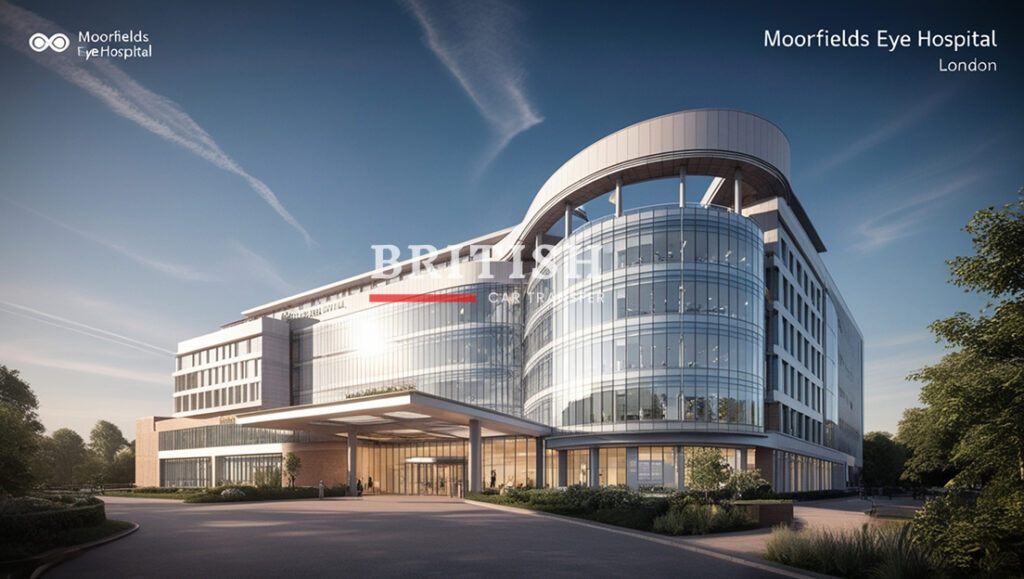
Understanding Heathrow Terminal 1 and Its Connections
Heathrow Airport is London’s busiest airport and is divided into multiple terminals. While Terminal 1 has officially closed, understanding its historical routes and proximity to Terminals 2 and 3 helps passengers plan transfers effectively. For visitors coming from Moorfields, the journey typically involves navigating central London streets before reaching the M4 or A4 motorways. Key routes include A40 Westway, Embankment, or the A4 Cromwell Road, depending on traffic conditions. Private taxi services, such as those provided by British Car Transfer, use live traffic monitoring to select the fastest and smoothest route, ensuring patients reach their terminal promptly.
Passengers travelling to Heathrow often choose the terminal based on airline operations. Those familiar with Terminal 1 may instead be directed to Terminal 2 or Terminal 3, as airlines have relocated operations following the terminal’s closure. Understanding terminal layout, nearby parking, and drop-off points ensures a smooth transfer, particularly for patients who may need assistance with luggage or mobility.
Choosing the Right Travel Method from Moorfields to Heathrow Terminal
There are several ways to travel between Moorfields Eye Hospital and Heathrow, but for patients, families, and those carrying luggage, the most reliable and convenient method remains a private airport taxi.
Private Taxis – Comfort and Safety
A private taxi provides door-to-door service, eliminating the need to navigate crowded stations or busy streets. This is particularly important for patients who may be recovering from eye surgery or have reduced vision. A professional driver ensures a smooth, calm ride, assists with luggage, and follows the fastest route to the terminal. Travel time varies from 45 to 70 minutes depending on traffic, and private taxi services offer fixed pricing, 24/7 availability, and professional assistance tailored to patient needs.

Ride-Hailing Apps – Flexible but Unpredictable
Services like Uber and Bolt can offer flexible transport, but their unpredictability makes them less ideal for medical passengers. Prices fluctuate due to surge pricing, and drivers may cancel long airport rides. Additionally, not all ride-hailing drivers are experienced in assisting passengers with medical requirements or carrying multiple bags. For patients visiting Moorfields, a pre-booked taxi remains a more reliable option.
Public Transport – Cheapest but Challenging for Patients
While London’s public transport system is efficient and cost-effective, it is often unsuitable for patients travelling after treatments. Reaching Heathrow via the Piccadilly Line requires multiple transfers, walking through busy stations, and navigating escalators. For patients with reduced vision or those experiencing discomfort after an eye procedure, these challenges can be overwhelming. The journey can take up to 90 minutes, which is longer than a direct taxi ride.
Planning Your Journey for Maximum Comfort
For patients travelling from Moorfields, comfort and timing are the top priorities. Booking a private airport transfer allows patients to focus on their well-being instead of worrying about schedules, traffic, or navigating public transport. Professional drivers understand hospital pickup points, know the safest and quickest routes, and provide assistance with luggage and mobility needs. This reduces stress and ensures a smooth transition from hospital to airport.
Even though Terminal 1 no longer serves passenger flights, planning transfers as if travelling to its former location helps patients familiarise themselves with Heathrow’s layout. Drop-off points, nearby terminals, and airport signage remain relevant for travel planning. By understanding routes, parking areas, and terminal connections, patients and families can confidently navigate the airport environment.
Timing and Traffic Considerations
Traveling from Moorfields Eye Hospital to Heathrow requires attention to traffic patterns. Central London roads, particularly Old Street, Holborn, and Moorfields Eye Hospital can experience congestion during peak hours. Using private taxis allows drivers to adjust routes in real time, avoiding delays. Most trips take between 45 and 70 minutes, but during rush hours, travel may extend to 90 minutes. Booking transfers in advance and allowing a buffer ensures that patients arrive at the airport with ample time to check in and complete security procedures.
For patients with early morning or late-night flights, professional taxi services provide flexibility that other transport options cannot. Unlike public transport, which may not operate 24/7 or may involve crowded connections, taxis are available whenever needed, offering consistent and predictable service.
Why Patients Prefer British Car Transfer
Patients travelling from Moorfields Eye Hospital consistently choose British Car Transfer for airport journeys because of the focus on comfort, safety, and personalised service. Drivers are trained to assist passengers with medical conditions, carry luggage, and ensure a calm, uninterrupted journey. Fixed pricing eliminates the stress of unpredictable fares, while 24/7 availability provides flexibility for appointments and flights at any time of day.
By offering professional, door-to-door service, British Car Transfer ensures that patients and their families can travel confidently between Moorfields Eye Hospital and Heathrow. Even with terminal changes or closures, the service guarantees a smoot, stress-free journey, tailored to the specific needs of hospital visitors.
Conclusion: Stress-Free Transfers for Moorfields Visitors
Although Heathrow Terminal 1 no longer serves passenger flights, understanding the terminal’s layout, routes, and historical context helps patients plan airport transfers effectively. For visitors from Moorfields Eye Hospital, comfort, safety, and reliability are crucial. Private airport taxis, such as those offered by British Car Transfer, provide an ideal solution, offering professional drivers, door-to-door service, and a calm, stress-free environment.
Whether travelling for a short consultation, a complex procedure, or returning home after treatment, patients benefit from knowing that their transfer is managed by experienced professionals. By choosing a private taxi, visitors can focus on their health and travel with peace of mind, making the journey from Moorfields Eye Hospital to Heathrow as smooth and efficient as possible.
